

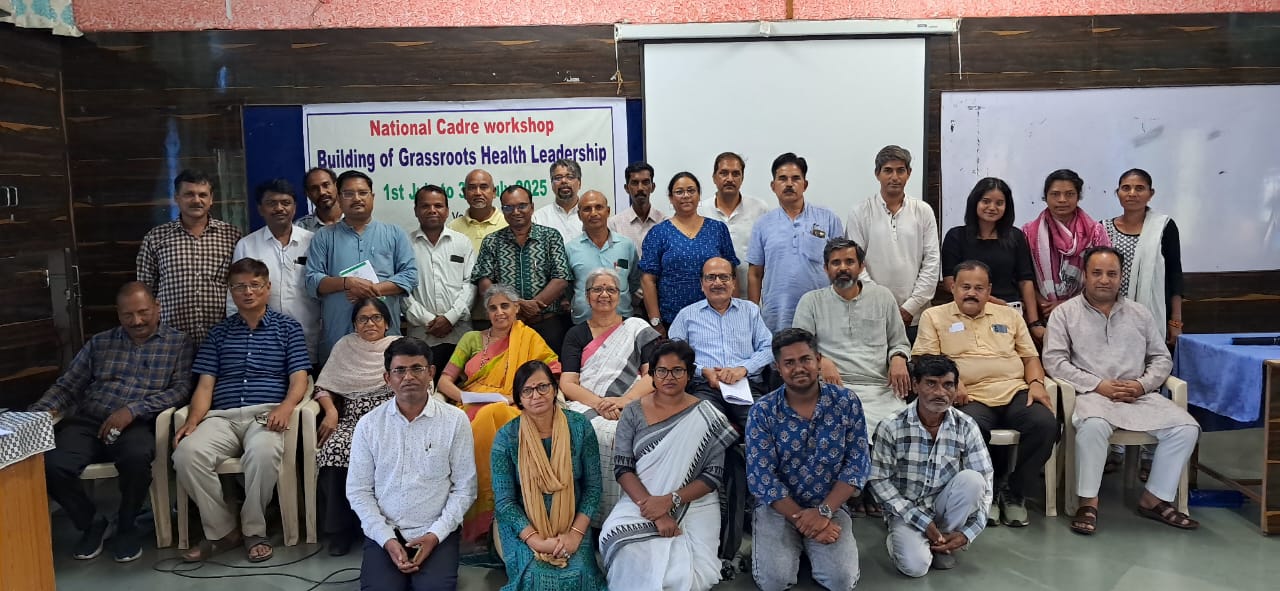
With the upcoming Monsoon Session of Parliament starting on July 21, 2025, the participants emphasized the urgent need to prioritize people’s right to health and ensure that all policymaking reflects and protects this fundamental right
Bhopal: A three-day national workshop organised in Bhopal in the first week of July by Jan Swasthya Abhiyan-India underlined, what it concluded, India’s current corporate-driven, market-based health policies which, the participants viewed, lack the required sensitivity towards public health and instead enable rampant profiteering.
These policies, as the participants said, ignore democratic responsibilities and disproportionately harm marginalized groups such as dalits, adivasis, minorities, persons with disabilities, and economically weaker populations.
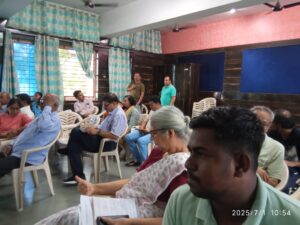
The workshop brought together as many as 53 participants including grassroots health workers, civil society members and public health advocates from 11 states across the country.
The discussions were focused on strengthening equitable, inclusive and quality public health services, along with the need to universalize healthcare through policy, grassroots efforts, and people-centered frameworks.
With the upcoming Monsoon Session of Parliament starting on July 21, 2025, the participants emphasized the urgent need to prioritize people’s right to health and ensure that all policymaking reflects and protects this fundamental right.
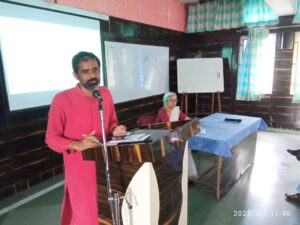
It was unanimously agreed that intentions alone are not enough—there is a pressing need for critical policy review, adequate public funding and strong political will to improve and expand access to public healthcare services.
The participants were of the view that COVID-19 pandemic exposed the severe weaknesses and disarray in India’s public healthcare system.
“The failure to provide timely, adequate care resulted in widespread loss of life while the private sector prioritized profit over care charging exorbitant fees despite the public health emergency. These failures point to the consequences of continued privatization and Public-Private Partnership (PPP) models that undermine the public system”, felt to participants.

The speakers said, “Despite the dire state of public health infrastructure, government health spending remains insufficient. At the same time, there has been an unchecked expansion of private healthcare, rising medical fees, and skyrocketing drug prices—all worsened by weak regulatory oversight.”
They said the insurance-based health model, widely promoted in recent years had further weakened the public system by diverting resources to private players. Instead of strengthening public hospitals, they were being converted into insurance-linked institutions. The NITI Aayog’s push to privatize district hospitals was likely to further restrict access for the common people and impose a severe financial burden.
“The effectiveness of the much-publicized Ayushman Bharat scheme on the ground also needs a comprehensive social audit to assess its actual impact. Without adequate budgets and people-centred policymaking, the sustainability and efficiency of the public health system are in grave danger”, added the speakers.
KEY RESOLUTIONS ADOPTED IN THE WORKSHOP
Ensure accountability, strengthening, and protection of the public healthcare system.
Immediately halt the privatization and outsourcing of public hospitals and services.
Uphold international labor rights, including health and occupational safety for workers, as per ILO conventions.
Adopt a “Health for All” approach at all levels of healthcare.
Integrate health concerns into all sectors and allocate sufficient public health budgets.
Prioritize marginalized and disadvantaged communities in all health policies.
Place environmental and people’s health concerns at the centre of public health planning.
The workshop highlighted that frontline workers such as ASHA, Anganwadi workers, and sales promotion employees (SPEs) continue to face neglect, poor working conditions, and lack of basic rights. Participants demanded fair treatment, adequate facilities and strong regulation to ensure their safety and dignity.
Participants also strongly criticized the government’s failure to regulate prices of essential and life-saving medicines.
It was pointed out that international frameworks like the WHO’s Pandemic Accord and WTO’s patent amendments could potentially weaken national sovereignty and public health protections.
The workshop concluded with a decision to launch a nationwide campaign, bringing together likeminded networks, organizations, and grassroots actors working on health and allied issues.
It was also announced that JSA India would organize a national convention later this year, preceded by regional and state-level consultations in 10 states including Uttar Pradesh, Bihar, Chhattisgarh, Odisha, Jammu & Kashmir, Maharashtra, Madhya Pradesh, Assam, Gujarat, and Rajasthan.
Key speakers and resource persons at the workshop included Prof Ritu Priya, Dr Veena Shatrugna, Amitava Guha, Ishwar Joshi, Rema Nagarajan, Rakesh Diwan, Jagdish Patel, Dr Prabir Chatterjee, Dr Anurag Bhargava, Dr Sanjay Nagral, Dr Anant Phadke, Inayat, Jaya Velankar, Chandra Kumari, Mukut Lochan, VP Suryawanshi, Mahjabeen Bhatt, Amulya Nidhi, SR Azad, Gaurango Mahapatra, Mitranjan, Chandrakant, Rahi Riyaz, Punita, Prashant, Rakesh Chandore, Manti Singh and Sanjeev Sinha.
