

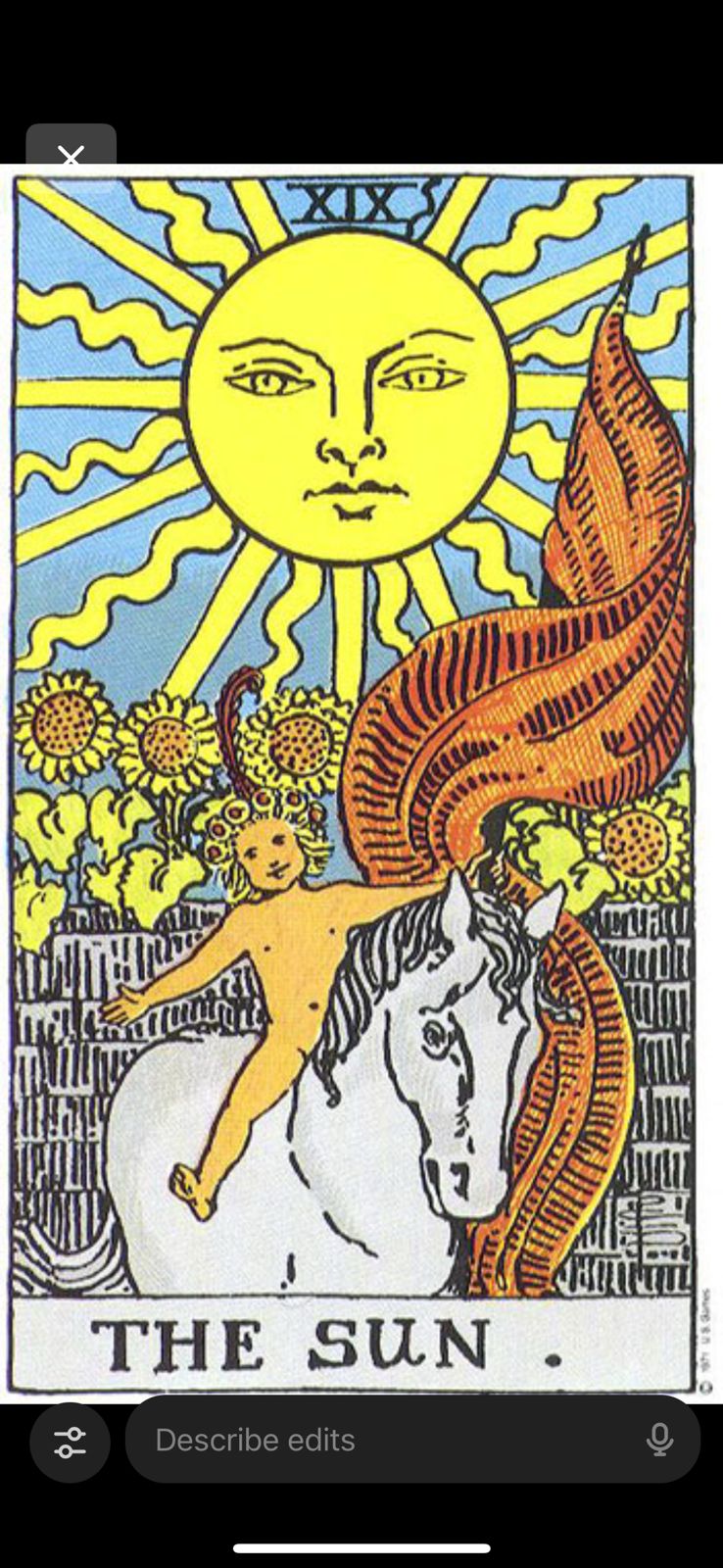
“Astrologically, the solstice places the Sun in Capricorn (Makara), ruled by Saturn. This is a sign not of display, but of discipline; not of brilliance, but of endurance. The Sun here is subdued, yet purposeful—preparing for resurgence”
CHRISTMAS, celebrated as the birth of Jesus Christ, is often approached purely through theology. Yet, when viewed through the deeper lenses of astronomy, astrology, and comparative mythology, it reveals itself as a far older and universal human insight—one rooted in the Winter Solstice, the cosmic moment when light quietly begins its return.
Astronomically, the Winter Solstice occurs around 21 December, when the Sun reaches its southernmost point and the night becomes the longest. To ancient civilizations, this was a moment of profound anxiety and reverence. The Sun appeared weakened, warmth receded, and darkness dominated both land and mind. Yet, careful observation revealed a subtle miracle: the Sun stopped its southward journey and began to turn back. Darkness had reached its peak, but its future was already lost.

Indian tradition perceived this turning with remarkable philosophical depth. In the Vedic worldview, Surya is not merely a celestial body but the visible expression of ṛta—cosmic order. The Sun’s reversal marks the threshold of Uttarayana, the northward journey associated with ascent, renewal, and liberation. The Bhagavad Gita subtly acknowledges the sanctity of this solar movement:
उत्तरायणं ततः काले मृत्युः योगिनां स्मृतः
Uttarāyaṇaṁ tataḥ kāle mṛtyuḥ yogināṁ smṛtaḥ
— Bhagavad Gita 8.24
Here, Uttarayana is not merely astronomical; it is spiritual—a passage toward higher consciousness. Though Makara Sankranti is celebrated later due to calendrical and precessional factors, the solstitial philosophy remains unchanged: when darkness peaks, the journey toward light begins.
Astrologically, the solstice places the Sun in Capricorn (Makara), ruled by Saturn. This is a sign not of display, but of discipline; not of brilliance, but of endurance. The Sun here is subdued, yet purposeful—preparing for resurgence. This symbolism aligns seamlessly with the nativity narrative. Christ is born not amid splendour, but in humility; not in warmth, but in winter; not as a king, but as a child. The Bible itself captures this paradox of subdued light:
“The light shines in the darkness, and the darkness has not overcome it.”
— John 1:5
The Roman world celebrated this same truth through the festival of Sol Invictus, the Unconquered Sun, observed on 25 December. To the Romans, this was the assurance that the Sun, though weakened, could never be defeated. Greek thought echoed this belief through Apollo, the solar deity of light, truth, and healing, whose return symbolised the restoration of harmony and reason after chaos.
Indian mythology expresses this cosmic rhythm through the Avatar doctrine. Whenever darkness overwhelms the world, divinity descends—not armed, but vulnerable. The birth of Krishna at midnight, in a prison cell, under the shadow of tyranny, mirrors the same universal pattern as the birth of Christ. The Vishnu Purana articulates this eternal promise:
यदा यदा हि धर्मस्य ग्लानिर्भवति भारत।
अभ्युत्थानमधर्मस्य तदात्मानं सृजाम्यहम्॥
— Bhagavad Gita 4.7
The timing is never accidental. The divine arrives precisely when hope appears most fragile.
Celestial signs accompanying such births form another shared motif. The Star of Bethlehem, guiding shepherds and Magi, resonates deeply with the Indian science of Jyotisha, where the descent of an avatar is always marked by planetary and stellar alignments. Ancient rishis, Persian Magi, and Greek astrologer-priests all believed that the heavens announce turning points in human destiny. The cosmos, in these traditions, is not silent—it is participatory.
Seen in this integrated light, Christmas transcends religious boundaries. It becomes a civilisational remembrance—of the Sun turning back at the solstice, of Surya preparing for Uttarayana, of Saturnian humility giving birth to solar renewal, and of divine consciousness choosing to enter the world quietly, when darkness believes it has won.
“For unto us a child is born, unto us a son is given.”
— Isaiah 9:6
Across Indian, Greek, Roman, and Christian traditions, the message converges into one timeless truth:
Light does not arrive with thunder.
It returns silently—
just as the Sun does after the Winter Solstice.

2 Comments
Article is giving very good information
this write up of Dr Shailendra Shrivastav ji is full of information , a delight to read , food for thought, an amalgamation of science , astronomy , mythology, related to celestial movement of planets affecting the life on earth . The importance of such movements in various cultures of the world has been crically analysed and underscored nicely .